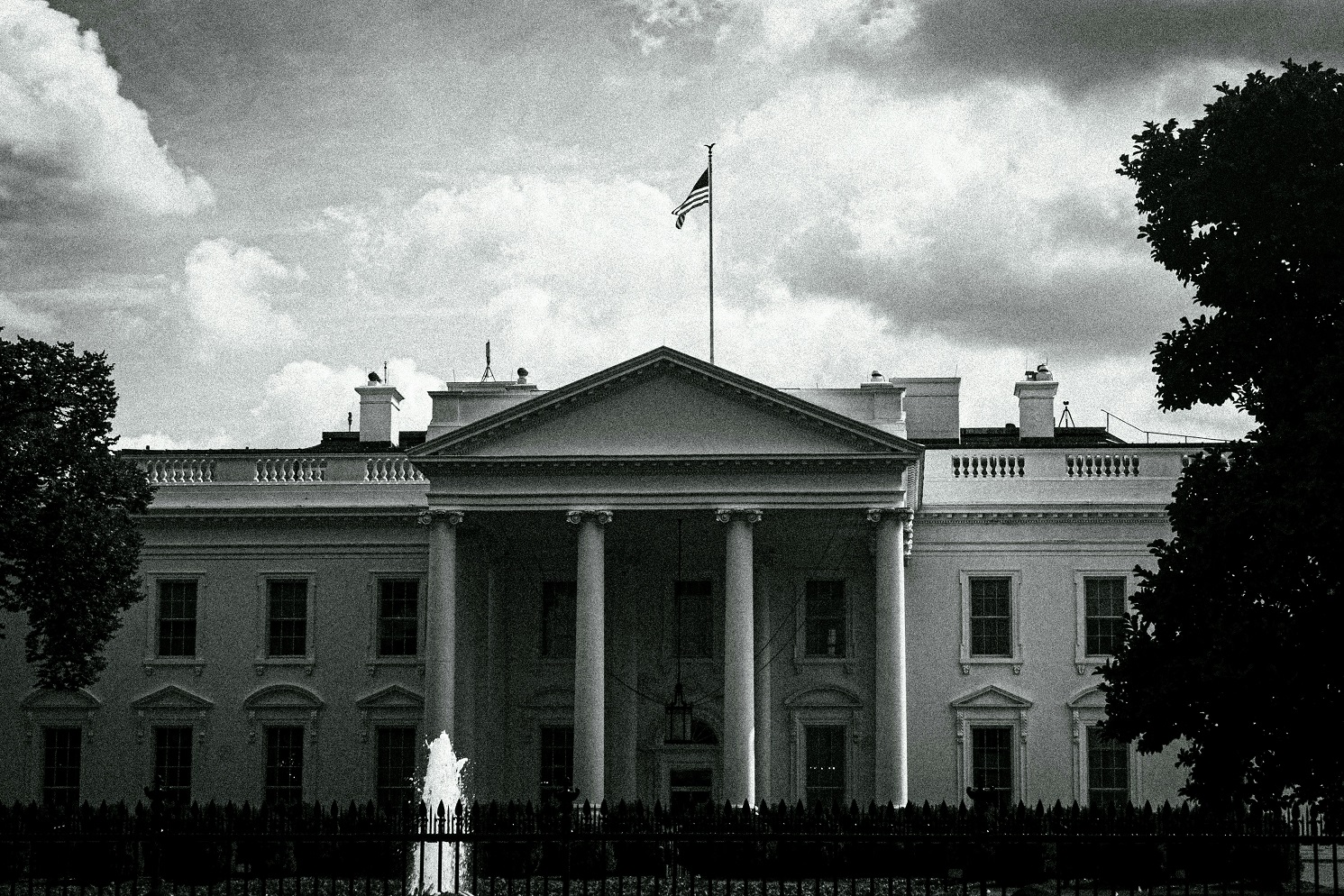
Oil drips from the top, but so does the rot. If you are going to lead, you’d better have character.
To lead in this moment of American history is not to dominate a room, win an argument, or hold a title. To lead is to accept responsibility for the moral direction of the space you occupy, your community, your profession, your country, and to stay present even when the work becomes heavy. It is all about America’s most noble principles. We must lead toward an aspirational America that includes your brother and sister. It’s about everybody – not your own personal ambition or grift.
Leadership today is not theoretical. It is lived. It is practiced daily, often quietly, and usually without applause. It is about doing the right thing all day long. When no one is looking – because it is about building, refining, and honing your own character. It requires moral clarity, emotional stamina, and disciplined love for people you may not agree with. And it asks something harder still: that you remain steady in a nation that feels strained, fragmented, and exhausted.
That is the kind of leadership this work is about. And it is why it is called Somewhere I Read.
Why This Work Is Called Somewhere I Read
The name comes from Martin Luther King Jr.’s final speech, delivered the night before he was assassinated. In that address, King was not offering a lofty metaphor. He was issuing a constitutional summons – calling the nation back to the words it had already written and the promises it had already made.
He said:
“Somewhere I read of the freedom of assembly. Somewhere, I read of the freedom of speech. Somewhere I read of the freedom of the press. Somewhere I read that the greatness of America is the right to protest for right.”
King was not asking America to invent a new ideal. He was demanding that it honor its own.
Later in that same moral reckoning, he distilled the charge with devastating clarity:
“America, I am only asking you to be and do what you said on paper.”
Nearly 250 years after the founding, we are being asked the same thing. The work before us is not nostalgia or myth-making. It is completion. We are being asked to finish what the founders began – to live out the radical commitments they dared to write down: liberty, equality, consent, dignity, and justice under law.
So what does it mean to lead in that context?
It means choosing fidelity over comfort. It means – sacrifice. Servant leadership is the only real kind.
Leadership Begins With Grounded Presence
To lead is first to be grounded. Civic leadership shapes policies and institutions, but it also shapes the moral temperature of a nation. People trust leaders who remain present, responsive, and anchored.
In times of division, adaptability matters – but so does inner steadiness. Leaders must be mission-ready, able to carry complexity without becoming reactive, cruel, or performative. That readiness is not accidental. It is built through discipline: caring for the body, sharpening the mind, tending the spirit.
You cannot guide others through uncertainty if you are constantly depleted. Endurance is a leadership skill.
How You Lead: Speak Clearly and Listen Bravely
Leadership is not volume. It is clarity. Communication is an act of respect. People deserve honesty, not spin; explanation, not dismissal. Humility is the only way. Listen. Care. And then – act. Keeping the best interests of others in mind is the mark of a real leader. Empathy with passion and conviction is the mix we need.
Effective leaders speak plainly and listen carefully, even when the conversation is uncomfortable. They run towards the hard places because they are genuinely about solutions and improvements. This is why the work of Somewhere I Read is rooted in dialogue – through film, writing, public conversations, and education. Democracy survives only when people are treated as participants, not problems to be managed. We are welcoming the real American Conversation – and that includes all the voices.
Lead With Integrity, Not Performance
Integrity is the currency of trust. To lead is to do what you say, admit when you are wrong, and correct course without defensiveness. Accountability is not a weakness; it is credibility.
Communities do not expect perfection. They expect honesty. Leaders who model responsibility create cooperation. Leaders who dodge truth create decay.
Vulnerability is not only ok, but it also shows you are willing to share your humanity. Sacrificing your own pride is a meaningful act of service and a tell – it lets on that you are approachable and in the right relationship to the rest of the universe, namely that you do not think you are it. Too many people in power these days are pathologically self-absorbed. And if they believe the sun revolves around them, it leaves the rest of us out in the cold.
Leadership Solves Problems – With People, Not Over Them
Leadership is practical. Communities face real problems that require clear thinking and collaborative solutions. Effective leaders gather facts, seek multiple perspectives, and resist ideological shortcuts.
But leadership also means inviting others into the work. The American experiment was never meant to be a spectator sport. When people participate in problem-solving, they become stewards of the outcome.
Engagement Is the Oxygen of Democracy
Strong leaders do not govern from behind closed doors. They stay close to the people – listening, inviting participation, and creating spaces where voices can be heard without fear.
King reminded us that the greatness of America is not comfort – it is the right to protest for right. Engagement is not disorder. It is citizenship.
Collaboration Is Moral Leadership in Action
No leader succeeds alone. Partnerships – with educators, veterans, artists, faith leaders, nonprofits, and local communities – expand both vision and capacity.
Leadership is not control. It is coordination in the service of the common good. Collaboration reminds us that progress is not owned; it is shared.
If you were, let’s say, President of the United States, the first thing you would want is thoughtful leadership around you that disagreed with you, because when you are making decisions for 340 million people, you’d better see all sides of an issue. This isn’t about you. It is about being a good shepherd. Lives have been put in your hands. Act accordingly.
Listening Is Not Passive – It Is Power
Active listening is one of the most underestimated leadership skills. People want to be heard, not managed. Listening lowers the temperature, surfaces truth, and restores dignity.
In divided times, listening becomes an act of courage. Leaders who listen well raise the level of discourse, and trust follows. And trust is the entire story. It’s just everything.
Vision Answers the Question: Why Stay?
To lead is to offer vision – not fantasy, but direction grounded in reality and hope. A true vision acknowledges hardship while pointing toward what is possible.
The founders wrote an unfinished promise. King reminded us it was still binding. Leadership today means helping people understand why this work is worth staying for – why fidelity matters more than cynicism.
How to Become a Leader Worth Following
You keep learning.
The most dangerous leaders are the ones who stop learning. Civic leadership requires continuous education, reflection, and humility. Reading, listening, mentorship, and self-examination are not luxuries – they are safeguards.
This is why Somewhere I Read exists – not to inflame, but to form. Not to shout, but to remind. Not to divide, but to call us back to the words we already agreed to live by.
So what does it mean to lead?
It means accepting responsibility for the promises we inherited.
And how can you do it?
By staying grounded. Speaking honestly. Listening bravely. Acting with integrity. Engaging others. And choosing fidelity over comfort – again and again.
Leadership is not finished.
Neither is America.
Please show up, otherwise part of the American story will be forever missing…